IgA vasculitis (Henoch-Schonlein purpura)
The commonest childhood vasculitis - the rash settles by itself, but the kidney needs following for months.
Red flags
- Severe abdominal pain, bilious vomiting or blood in the stool - intussusception is a recognised complication and needs imaging
- Hypertension, oedema, or visible haematuria - nephritis, the complication that determines long-term outcome
- Scrotal pain or swelling - testicular torsion is a differential, not something to attribute to the vasculitis
- An unwell, febrile or toxic-looking child - reconsider meningococcal disease and treat accordingly
- Purpura in an infant, or an atypical distribution - IgA vasculitis is unusual in the very young, and both should lower your threshold for specialist review. No age cut-off is given here: the SHARE recommendations this entry cites do not set one
Recognise
Crops of raised, palpable purple-red purpura on the buttocks and backs of the legs, appearing in waves, sometimes preceded by an urticarial or maculopapular stage.
Purpura reads as darker brown, violaceous or almost black against brown and black skin rather than purple-red, and the early urticarial phase may not look red at all. This is one of the conditions where palpation matters more than inspection: IgA vasculitis purpura is raised and can be felt with a fingertip, and that texture is entirely independent of skin tone. Run your fingers over the buttocks and extensor legs. Resolution leaves post-inflammatory hyperpigmentation that can persist for months and is often mistaken by families for continuing disease.
- Palpable purpura - you can feel it, which separates it from a flat petechial rash
- Distribution is the diagnosis: buttocks and extensor legs, sparing the trunk
- Joint pain or swelling, typically knees and ankles, in the majority
- Colicky abdominal pain - and this can precede the rash, which is how the diagnosis gets missed
- The child is usually not systemically toxic, unlike meningococcal disease
- Often follows an upper respiratory infection
Distribution
Photographs
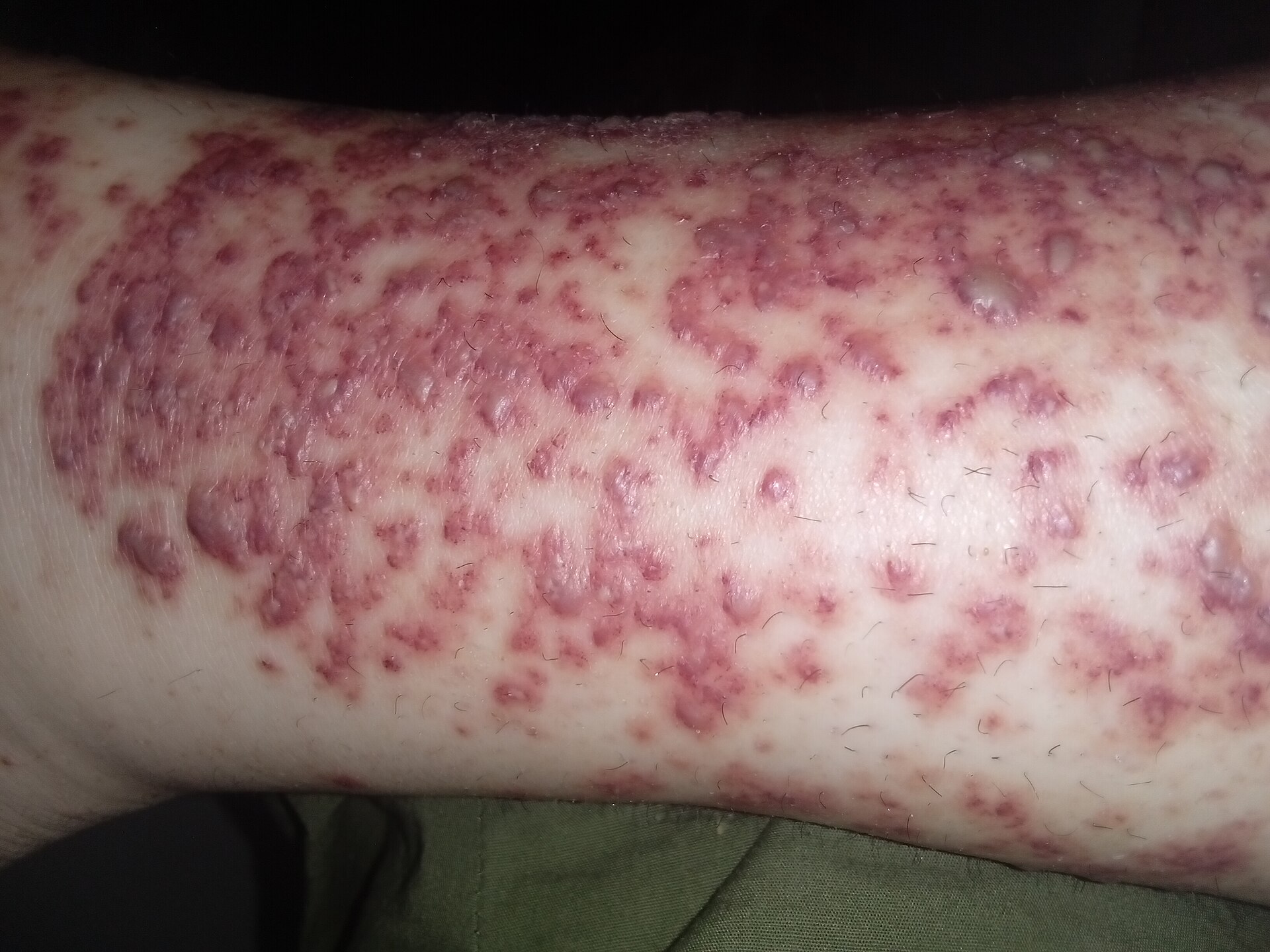
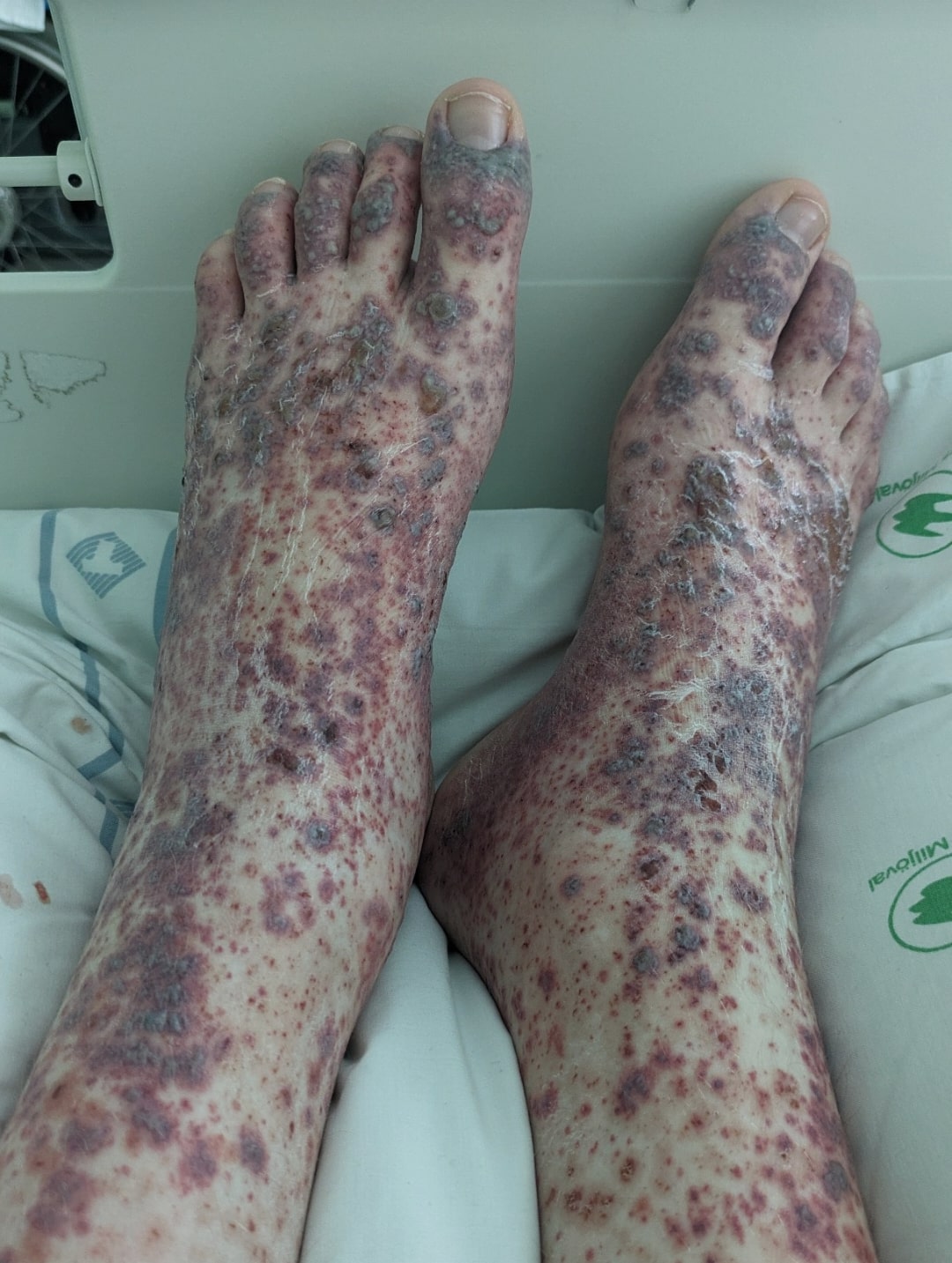
Mimics
- Meningococcal septicaemia and purpura fulminans — Both give non-blanching purpura. IgA vasculitis is palpable, distributed over buttocks and extensor legs, and the child is not toxic
- Benign mechanical petechiae — Mechanical petechiae are flat and confined above the nipple line
- Acute urticaria — The early urticarial phase of IgA vasculitis can be mistaken for plain urticaria
What to do in the ED
- Confirm the purpura is palpable and note the distribution - this is a clinical diagnosis
- Check a blood pressure and dip the urine for blood and protein. Do both at every visit - this is the single most important thing the ED does for this condition
- Take renal function if the urine is abnormal, the child is hypertensive, or the picture is atypical
- Assess the abdomen carefully and image if intussusception is a possibility
- Analgesia for joint and abdominal pain; the SHARE recommendations emphasise appropriate analgesia, and corticosteroids are not routine and are a specialist decision
- Arrange planned urine and blood-pressure follow-up - nephritis can appear weeks after the rash has gone, so a normal dip today does not discharge the problem
- Admit if there is severe abdominal pain, renal involvement, hypertension, or the child cannot be managed at home
Disposition
Most children are managed at home with analgesia and a planned schedule of blood pressure and urinalysis. Admit for severe abdominal pain, suspected intussusception, renal involvement or hypertension.
Safety-netting
Local variation
Sources
- Ozen S et al. European consensus-based recommendations for diagnosis and treatment of immunoglobulin A vasculitis - the SHARE initiative. Rheumatology (Oxford) 2019
- NICE NG143 - Fever in under 5s: assessment and initial management (applies to children under 5 only)
- Lim HW et al. International Expert Consensus on Knowledge Gaps in Care for Dermatologic Disorders in Skin of Color. Int J Dermatol 2026
- NICE NG240 - rashes may be harder to detect on brown and black skin, all ages (stated in the meningitis guideline; cited here for that general point about rash detection)